

When preparing to list your products on Amazon, one of the first decisions you’ll face is choosing how to fulfill orders: Fulfilled by Amazon (FBA) or Fulfilled by Merchant (FBM). Both fulfillment options have advantages, but the right choice depends on your budget, goals, and the specific products you are selling.
At GrowthSpoke, we work with brands every day that are weighing this decision. Some brands need the convenience of Amazon handling everything through FBA, while other brands prefer the flexibility and control of FBM. In this guide, we break down FBA versus FBM so that you can decide which Amazon fulfillment method fits your brand best.
What is Fulfilled by Amazon?
Fulfilled by Amazon, also referred to as FBA, is a service offered by Amazon to brands that sell on its marketplace. Brands that utilize FBA ship inventory to Amazon fulfillment centers, where it is stored. In return, Amazon lists that product as eligible for Prime. When a customer places an order on Amazon.com, Amazon will pick, pack, and ship the product directly to the consumer.
Important to note: Amazon recently announced that it will discontinue its FBA prep services starting January 1, 2026. This means sellers will no longer be able to rely on Amazon to prepare inventory for shipment into its warehouses. Instead, brands will need to handle prep in-house, work with a dedicated prep center, or partner with a full-service 3PL.
For brands weighing FBA vs. FBM, this change is especially important. If you’re using FBA, it adds another layer of responsibility and cost to your logistics. Many sellers are now exploring third-party solutions that can provide both prep and multi-channel fulfillment, giving them more flexibility than Amazon alone.
What is Fulfilled by Merchant?
Amazon FBM is when a brand manages all aspects of storage, inventory management, and shipping of products sold on Amazon. Brands that opt for FBM instead of FBA are responsible for handling all customer service and returns as well.
Key Differences: FBA vs. FBM
Explore the key differentiators between FBA and FBM below in order to decide which is right for your brand.
Inventory Storage:
The most notable difference between FBA and FBM is who stores the inventory. With FBA, a brand’s products are stored in Amazon warehouses. Amazon’s warehouse team handles all aspects of fulfillment, including pick and pack and shipping; however, as mentioned earlier, Amazon will no longer handle prep. With FBM, the seller is responsible for inventory storage either themselves or via a third-party logistics warehouse.
Fees:
Another extremely important difference between FBA and FBM is the cost of fulfillment. Brands using FBA are charged based on per-unit fulfillment, monthly storage, aged inventory surcharges, and removal/disposal fees. Brands opting for FBM save on Amazon’s fulfillment and storage fees; however, they incur their own costs for these same tasks, plus the cost of time.
Branding Control:
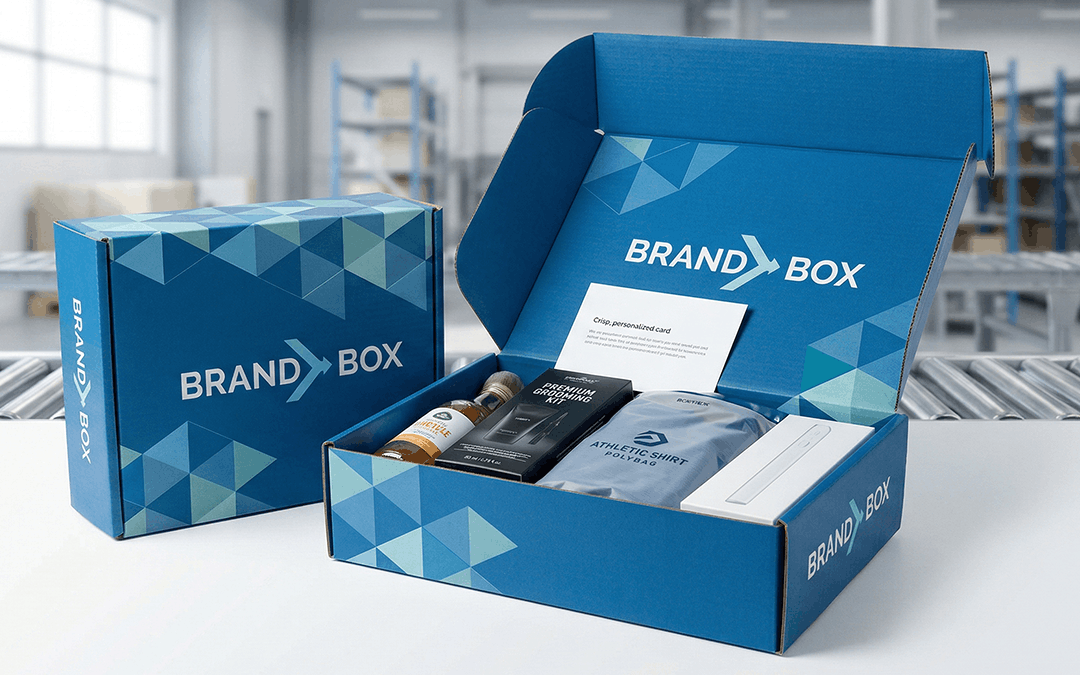
For brands using FBA, branding control is often sacrificed in order to comply with Amazon policies. For example, products ship in Amazon-branded boxes and do not include custom inserts or promotional materials. On the flip side, FBM sellers maintain full control over their brands and can control the unboxing experience.
Prime Eligibility:
Another important reason that brands opt for FBA is automatic Prime eligibility. By enrolling in FBA, a brand’s products are listed with a Prime badge. Not only does this make the products eligible for fast shipping options, but it also increases visibility and conversion rates on Amazon. That said, FBM sellers can apply for Seller-Fulfilled Prime, but it is costly and demanding to meet Amazon’s strict standards. In fact, sellers must participate in a 30-day trial to prove they can meet performance requirements.
Multi-Channel Flexibility:
Brands utilizing FBA typically use it primarily for Amazon orders; however, for a higher fulfillment fee, Amazon will still fulfill orders for several other platforms, including Shopify and Walmart. Because those orders are outside of the Amazon ecosystem, there is less flexibility to sell across other sales channels using FBA. On the other hand, FBM allows for maximum multi-channel sales. A seller, or 3PL, may fulfill orders across a wide variety of online retailers like Shopify, Walmart, eBay, TikTok Shop, and more.
Which Amazon Fulfillment Method is Right for You?
FBA is often the right choice for brands that are scaling quickly, selling lightweight, high-volume products, and need Amazon to handle logistics and customer service. FBA is especially critical when Prime eligibility is essential.
FBM, on the other hand, is a better fit for brands that want more control over packaging and customer experience. It may also be right for those who sell oversized or lower-margin products where FBA fees can cut into profits. The need for flexibility to fulfill orders across multiple sales channels like Walmart Marketplace, TikTok Shop, and other marketplaces may also be a reason to opt for FMB. For FBM to work well, it’s absolutely essential to have reliable in-house logistics or a trusted fulfillment service.
How GrowthSpoke Supports All Amazon Sellers
GrowthSpoke works with brands that utilize both FBA and FBM. For those using FBA, our team can help prepare your products for Amazon’s warehouses through inventory management and storage, kitting, case and carton forwarding, FBA barcode labeling, and FBA repackaging. For those opting for FBM, we are an all-in-one solution for all of your direct-to-consumer fulfillment needs. Rely on us to fulfill not only your Amazon orders, but also orders through your website, TikTok, Walmart, and retailers.
If you’re currently utilizing Amazon’s FBA prep services and need to find a solution for prep before the January 1, 2026 cutoff, please contact us as soon as possible for information on FBA prep solutions.
Want to learn more about our Amazon fulfillment solutions? Contact us today to talk with our experienced 3PL team.